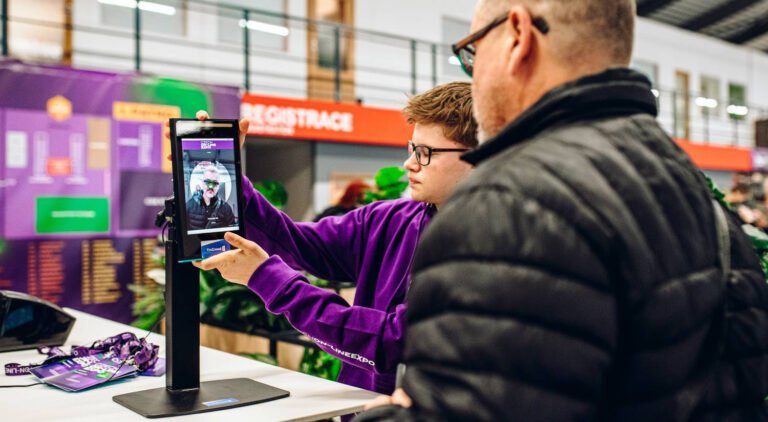
TruCrowd and Nuweb have partnered to bring identity based ticketing to the market, combining Nuweb’s global ticketing infrastructure with TruCrowd’s identity and biometric capabilities. Together, we are addressing some of the most persistent challenges in the industry, including fraud, scalping, and the lack of visibility into who is actually attending events.
As part of this partnership, we had a series of conversations about what is really holding ticketing back today and what needs to change.
In the interview with Anthony Escott-Lawrence, Head of Product at Nuweb Group, we share key insights from that discussion, exploring the structural limits of the current model, why incremental fixes have not delivered lasting results, and how identity can reshape the entire ticket lifecycle.
Enjoy!
For people who aren’t aware of Nuweb, how would you describe your offering?
We provide the infrastructure that ticketing platforms run on.
Our partners keep control of their brand and customer experience, while we handle everything underneath – from inventory and pricing to payments, fulfilment, and integrations.
We’re a global company, at last count we sold tickets in 110 countries, through 28 payment gateways and 121 currencies.
TruCrowd fits into this through the ecosystem we’ve built around our platform. We connect with specialist technologies, making sure everything works together as one joined-up stack.
What’s the focus of your role?
My role sits between our partners and the product itself.
I spend a lot of time understanding what partners are trying to achieve – commercially, operationally, and technically – and translating that into how the platform should evolve.
What challenges are ticketing managers and event organizers facing today in terms of revenue and fan experience?
In terms of fan experience, confidence in ticketing has been eroded over time.
People don’t always know where to buy legitimate tickets, whether they’re overpaying, or whether the ticket they’ve bought will actually get them through the gate.
Even when those problems happen outside the primary sale, fans often see it as a failure of the industry as a whole.
Then there’s also a revenue problem. When tickets are resold elsewhere, the money and value go with them. Platforms and organisers lose control of both revenue and just as importantly, data.
For example, one person might buy ten tickets and pass them on. The organiser knows the buyer but not who’s actually attending. That makes marketing, upsells, safety planning, and sponsorship harder.
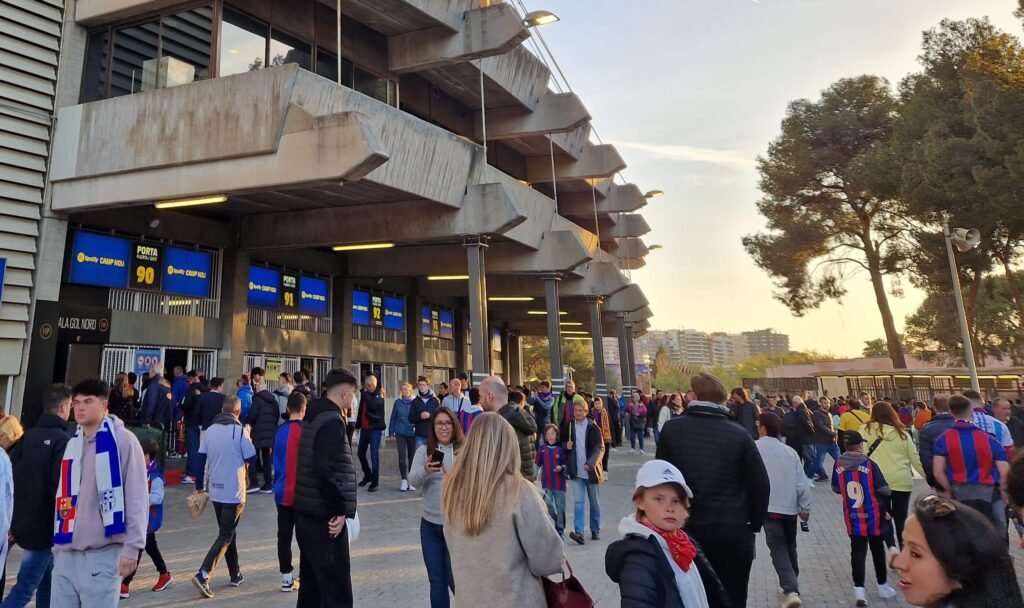
Fraud, scalping, and bots are still everywhere. Why do these problems persist?
The problem is the core model of ticketing hasn’t really changed.
Tickets still work like bearer tokens – whoever has the ticket gets in. We’ve gone digital, but it’s mostly the same system underneath.
That means the financial incentive is still there to acquire tickets in bulk and resell them for profit.
Bots are really just a side effect of that structure. The system rewards speed of purchase so automation will always find a way in.
Then there’s usually very little checking of who the buyer is or why they’re buying. It’s mostly anonymous – and that’s what keeps the door open.
Is this a structural issue?
Yes, absolutely.
It’s a structural issue in how ticketing has traditionally worked.
Historically, you bought a ticket, you turned up, and the ticket acted as proof of entry.
But digital ticketing introduced a much longer window between purchase and attendance.
Once tickets become easy to copy, transfer, and move around without visibility, the weaknesses in that model become far more obvious.
So the issue isn’t that the industry hasn’t tried to solve these problems. It’s that many of the problems are rooted in the original design.
Many solutions try to patch these problems. Why haven’t they worked?
The thing is most of the solutions are countermeasures, not redesigns.
Purchase limits, CAPTCHAs, queuing systems, transfer restrictions all add friction, but they don’t change the underlying incentives.
As a result, bots just adapt and scalpers find ways around restrictions.
Meanwhile, a lot of that friction gets felt most by genuine fans.
We end up making the purchase journey worse for legitimate customers, while bad actors continue adjusting their tactics.
Until you address the root cause, you’re really just managing symptoms.
How much of this comes down to one core design: tickets being tokens and as such transferable?
A lot of it comes down to exactly that.
As long as the ticket itself is the thing that grants access, and it can move between people without verified identity attached to it, there will always be room for abuse.
That’s not to say transfer is inherently the problem, but anonymous transfer is.
That’s an important distinction. People still need to be able to give a ticket to a friend, transfer it to family, or resell it legitimately in the right circumstances.
But if that ticket can move around without a verified chain of ownership, the whole system becomes much harder to control.

Reframing the model with identity based ticketing
Identity based ticketing removes the token logic. Why does it need to start at the moment of purchase?
Because that’s the earliest point where you can begin building a trusted chain of ownership.
If you only introduce identity at the gate, you haven’t solved the upstream problem.
You may know who is standing in front of you at entry, but you still have no real visibility into what happened between original purchase and event day..
To make identity meaningful, it needs to be linked to the ticket as early as possible in the lifecycle.
In practice, that often means sistema de verificación de identidad happens immediately after purchase rather than before, because you don’t want to introduce too much friction before checkout.
But the principle is the same – the ticket should be associated with a verified person from the start.
What does that actually mean in practice?
It means every ticket has a known owner.
When someone buys a ticket, they’re not just completing a transaction. They’re associating their identity with that seat or entry right.
If they later transfer the ticket, the new recipient also has to verify their identity before that ticket becomes valid for entry.
That creates a proper chain of custody around the ticket.
And from the fan’s perspective, the experience can actually become simpler. Instead of relying on screenshots, PDFs, or QR codes, your identity becomes the thing that unlocks access.
That’s a very different model from the one most ticketing systems operate on today.
What impact does it have when identity is embedded into ticketing in terms of:
- fraud and abuse
- the secondary market
- organizers’ visibility into who is actually attending
It changes a lot.
It raises the cost and complexity for bad actors. If every ticket has to be connected to a real, verified person, anonymous bulk acquisition becomes far less attractive.
It doesn’t necessarily mean resale disappears entirely, but it does mean organisers can see what is happening and enforce rules around it.
Organisers get a much clearer picture of who is actually coming to the event – not just who originally bought the ticket.
That matters commercially, because it improves customer insight, personalisation, and future demand forecasting. But it also matters operationally from a safety and duty-of-care perspective.

How does identity reshape the lifecycle of a ticket, from purchase to transfer to entry?
It turns the ticket lifecycle into something much more traceable.
At purchase, you have an identified buyer. At transfer, ownership is handed from one verified person to another. And at entry, identity verification becomes the final step in a chain that already exists.
That’s a very different model from issuing a ticket and then losing sight of where it goes.
With identity-first ticketing, you can answer a simple but important question at any point in time: who owns this ticket right now?
That’s much more useful than only knowing who purchased it months ago.
How do you enable transfers without reopening the door to fraud and scalping?
By making sure identity travels with the ticket.
Again, the problem isn’t transfer itself, people need that flexibility.
The issue is when transfer happens without any accountability around who is sending the ticket and who is receiving it.
If the original owner is verified, and the new recipient also has to verify before accepting the ticket, you preserve convenience without returning to the same anonymous model that causes the problems in the first place.
That’s how you keep flexibility for genuine fans while making abuse significantly harder.
Role of Technology
Where does Nuweb sit in the ticketing and access ecosystem?
We sit at the infrastructure layer.
Nuweb powers the core ticketing operations behind the scenes – inventory, pricing, payments, fulfilment, reporting, and in some cases access-related workflows too.
Our partners then build their brand, customer relationships, and market position on top of that.
Because of that role, we sit at the centre of a lot of integrations. We connect the different parts of the ecosystem and act as the source of truth across the stack.
That’s what makes the ecosystem model work. We’re not trying to do everything ourselves. We’re making it possible for specialist technologies to work together inside one connected platform environment.
How do partnerships like Nuweb and TruCrowd come together to deliver identity-first access?
We handle the ticket lifecycle, and TruCrowd brings in the identity and biometric layer.
When those two things come together properly, identity becomes part of the ticketing stack itself.
That’s important, because identity-first access only really works when it’s woven into the wider lifecycle of the ticket – purchase, transfer, ownership, and entry.
The value of the partnership is that each side is solving a specific part of the problem, but the outcome feels unified.
What makes a good technology partner?
First, they need to solve one problem really well.
We’re not looking for partners that try to be everything. The strongest ecosystem is built from specialists – companies that have real depth in a specific area and can add something meaningful to the stack.
Second, they need to be open and integration-friendly. Good partners build for interoperability. They strengthen the platform without trying to lock everyone into their ecosystem.
And third, they need to understand the problem in the same context that you do.
In this case, that means understanding identity in the context of ticketing – not just identity as a generic service.
TruCrowd understands why ownership, transfer, and attendance matter in live events, and that makes the partnership much more valuable than a simple supplier relationship.
Why identity based ticketing matters long-term
Beyond stopping fraud, what new opportunities does identity-first ticketing unlock?
One of the biggest is personalisation.
If you know who is actually attending an event, you can create much better experiences around that person – whether that’s targeted communications, relevant upgrades, loyalty programmes, or better on-site offers.
It also improves the quality of your data. If you reduce the amount of ticket movement happening outside your ecosystem, you get much clearer demand signals and a more accurate picture of who your audience really is.
That can improve future pricing, marketing, sponsorship, and planning.
Do you see identity based ticketing becoming the new standard for live events?
Yes, I do.
I don’t think it happens overnight, but I do think the direction is pretty clear.
Other industries have already moved toward identity-led models because they improve trust, event security, and accountability. Live events have some specific challenges, but they’re not exempt from that shift.
The pressure is already there from multiple directions.
Fans want more certainty, organisers want more control, and regulators are paying closer attention to safety and accountability. The technology is now strong enough to support it.
At this point, the question is less about whether identity-first ticketing will happen, and more about how quickly adoption accelerates.
Once enough platforms and organisers see the competitive advantage it creates, I think it will become a much more natural part of how ticketing works.
Conclusions
The conversation highlights that the challenges in ticketing are structural, not just technical. As long as tickets remain anonymous and freely transferable, fraud, scalping, and loss of control will persist.
Identity based ticketing offers a clear path forward. By linking tickets to verified individuals throughout the lifecycle, it brings accountability, better data, and greater trust for fans, while giving organizers and platforms more control.
As Anthony Escott Lawrence from Nuweb points out, the real opportunity is to build systems that solve these problems at their core and make capabilities like identity led access and real time data more accessible.
With TruCrowd and Nuweb working together, this shift is already underway and shaping the future of live events.